

Government
,
Industry Specific
US Cyber Defense Agency Faces Procedural Delays Blocking Director Confirmation
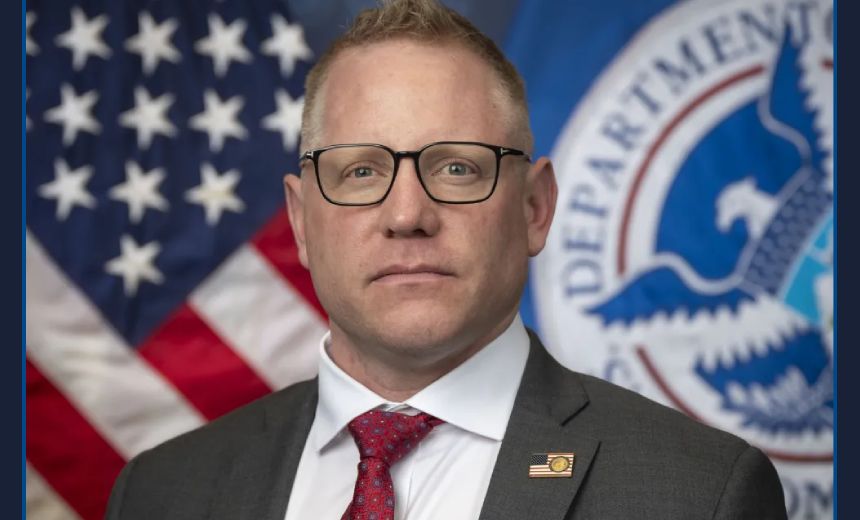
Sean Plankey faces an uncertain path to helming the U.S. Cybersecurity and Infrastructure Security Agency after his nomination as CISA director was left out of a legislation package advancing dozens of Republican picks to the full Senate, a setback that follows months of bipartisan procedural holds unrelated to the candidate himself.
See Also: New Trend in Federal Cybersecurity: Streamlining Efficiency with a Holistic IT Approach eBook
Senate aides said the move effectively freezes Plankey’s nomination for the rest of the year and would require the White House to resubmit his name in 2026 if lawmakers do not schedule a floor vote before adjournment. That leaves CISA poised to enter 2026 without a Senate-confirmed director and no clear path for approving any nominee under current conditions, analysts told Information Security Media Group (see: Trump’s Pick to Lead CISA is Stuck in Confirmation Limbo).
Plankey’s nomination has not collapsed so much as it has become caught in the procedural crossfire that would stall any candidate, insiders said. Congressional aides from both parties said holds blocking Plankey are tied to unrelated disputes involving telecom oversight and Coast Guard contracting. Those issues remain unresolved and could persist into the next session, creating the same barriers for any future nominee.
CISA has been without a confirmed director since the start of the Trump administration. The prolonged vacancy has coincided with significant staffing cuts inside the agency, including the elimination of some mission areas. Senior personnel have departed in large numbers as political turbulence continues to shape internal operations (see: CISA in Disarray Amid Shutdown and Growing Political Threats).
“With the constant turnover and no real director, there isn’t anyone to hold truly accountable,” a former CISA official said, requesting anonymity to discuss internal operations. “That just lets them move forward with the chainsaw mentality.”
Plankey’s nomination is blocked by two unrelated disputes. Sen. Ron Wyden, D-Ore., placed an initial hold earlier this year over the delayed release of a 2022 federal report on telecom security vulnerabilities, and has said he will not lift it until the document is made public. A more recent hold from Sen. Rick Scott, R-Fla., emerged this fall and is tied to concerns involving a Coast Guard contracting issue in Florida.
Former officials said the absence of a Senate-confirmed director complicates interagency coordination on cross-government responses to major attacks and improving critical infrastructure resilience. Federal partners often rely on the director to negotiate authorities and delineate roles in joint response efforts.
Some congressional staffers said a narrow window remains if bipartisan negotiations break through current impasses, though they acknowledged that the likelihood is diminishing by the day. Without a shift in committee strategy or unanimous consent agreements, leaders would need to devote floor time that is already oversubscribed.
The White House has not withdrawn Plankey’s nomination and senior administration officials have not signaled plans to put forward an alternative candidate. A source familiar with internal discussions said the administration is aware of the timing constraints but sees no immediate legislative vehicle to advance the nomination before the year-end recess.
Industry leaders warned that the prolonged vacancy risks weakening CISA’s influence across federal security programs at a moment when agencies are contending with high-impact intrusions from China and Russia. Multiple executives pointed to recent supply chain incidents and persistent access campaigns as evidence that the agency needs a confirmed director with political authority (see: ‘It’s Been a Mess’: Shutdown Slows Federal F5 Hack Response).
Lawmakers involved in cyber oversight expressed similar concerns in recent hearings, arguing that CISA’s ability to steer long-term strategic policy depends on stable leadership. Acting Director Nitin Natarajan continues to oversee daily operations but lacks the mandate needed to drive multi-year budget and personnel decisions, analysts said.