

Government
,
Industry Specific
,
Regulation
White House Criticizes Cyber Defense Agency – and Proposes a Steep $700 Million Cut
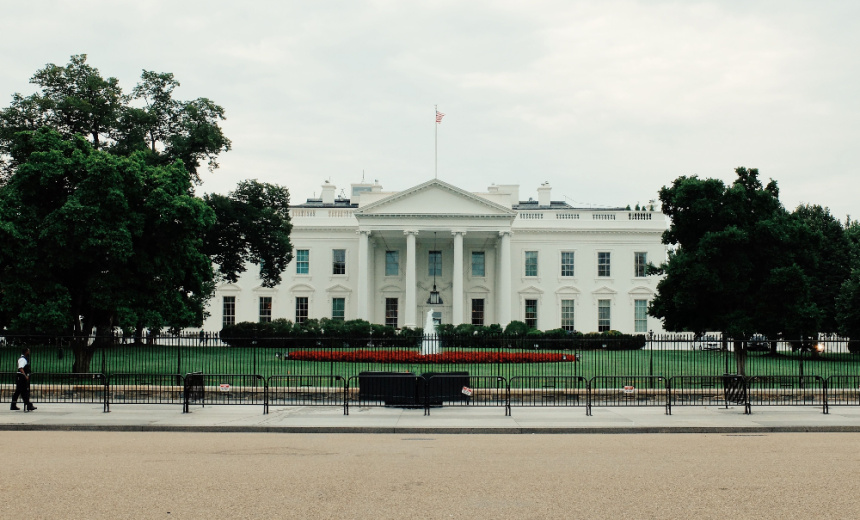
The White House is proposing extensive cuts to the Cybersecurity and Infrastructure Security Agency in its fiscal year 2027 budget request – escalating its push to scale back the nation’s top civilian cyber defense agency after a year marked by workforce reductions, funding strain and mounting foreign cyberthreats.
See Also: How ‘Radical Transparency’ Can Bolster Cybersecurity
The proposal would slash roughly $707 million from CISA’s budget – a reduction of about 30% – while sharply narrowing the agency’s mission to critical infrastructure and federal network protection, and away from broader coordination and information-sharing functions. The White House paired the cuts with direct criticism of the agency’s recent performance, stating “CISA was more focused on censorship than protecting the nation’s critical systems.”
The proposed cuts and harsh language come at a particularly unstable era for CISA, which has seen outsized workforce and operational strain amid successive government shutdown disruptions and sustained budget pressure throughout 2025 (see: CISA Forced Into ‘Reactive’ Cyber Posture Amid Shutdown). The administration has repeatedly targeted CISA in recent budget requests, arguing in its latest proposal that the agency’s actions “put them at risk due to poor management and inefficiency, as well as a focus on self-promotion.”
The FY2027 proposal would significantly scale back funding for mission support and stakeholder engagement – key functions that help CISA coordinate with state and local governments, private sector critical infrastructure operators and international partners. Former CISA employees have previously told ISMG that many of the divisions facing extensive cuts under the Trump administration have served as the backbone of federal cyber information sharing since the agency was first launched in 2018 (see: Former CISA Official: Shutdown Strains Cyber Operations).
The cuts extend into the agency’s core operations. Budget documents show a decline across key spending categories, including personnel, contractor support and equipment, potentially further hampering CISA’s operational capacity across key program areas.
The proposal shifts how CISA’s resources are allocated rather than clearly expanding any single mission area. Total operations funding in the proposal would fall from roughly $2.38 billion to about $2.02 billion, while personnel compensation drops from about $746 million to $607 million – alongside steep reductions in contractor support and equipment spending.
The budget also proposes a $40 million reduction tied to a reorganization of the Office of Countering Weapons of Mass Destruction, restructuring it as a standalone office within CISA while shifting key operational responsibilities elsewhere across DHS. Under the plan, CWMD would retain policy oversight, research and development and federal assistance programs while transferring procurement and execution responsibilities to operational components such as CBP, TSA, the Secret Service and the Coast Guard.
The administration has argued that workforce and resource reductions are necessary to refocus the agency and eliminate duplication with state and local governments. But state officials and industry groups have previously warned that many of those entities rely heavily on CISA for threat intelligence, incident response support and technical guidance (see: No Vote, No Leader: CISA Faces 2026 Without a Director).
The changes also raise questions about how key functions will be absorbed or replaced. Programs supporting election security, critical infrastructure coordination and cross-sector risk management have historically been anchored within CISA, and it remains unclear which agencies – if any – would take on those responsibilities at scale.
CISA did not immediately respond to a request for comment.