

Next-Generation Technologies & Secure Development
,
Observability
,
Video
Founder, CEO Martin Mao: AI-Driven Remediation, Data Optimization at Core of Deal
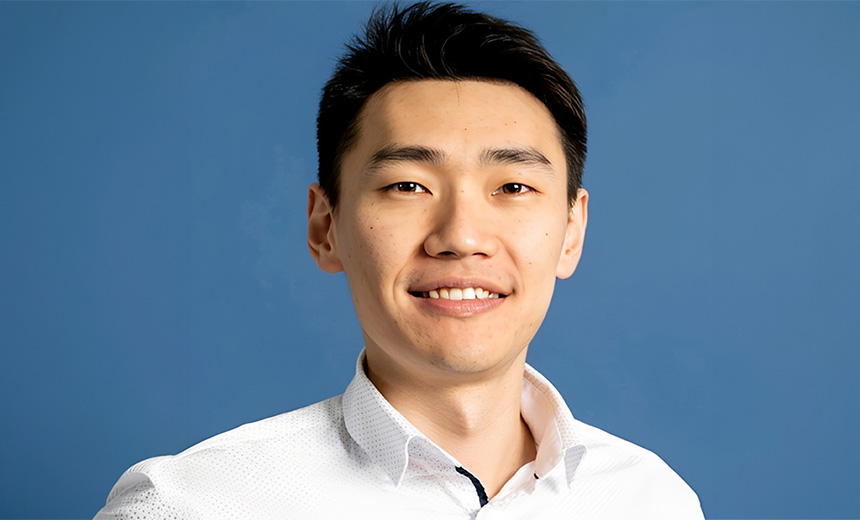
Becoming part of Palo Alto Networks will help observability vendor Chronosphere enable automated remediation of infrastructure and application issues, said co-founder and CEO Martin Mao.
See Also: Security Workflow Automation Cuts Complexity
The New York-based company’s telemetry pipeline can optimize and reduce data volumes by 30%, and Mao said deeper integration with Palo Alto Networks’ Cortex XSIAM could unlock even more advanced backend-specific optimizations. Palo Alto Networks’ $3 billion buy will allow Chronosphere to accelerate its product roadmap, expand its go-to-market strategy and leverage broader enterprise reach, he said (see: Why Palo Alto Is Eyeing a $400M Buy of Endpoint Vendor Koi).
“Once we know exactly what that root cause is, you can imagine now we have the potential to go and remediate that by taking actions in your system to try to fix the identified issue,” Mao said. “And you can imagine that’s a full loop from detecting what the issue is and historically informing you what that is, all the way to remediating and fixing the issue for the end users there.”
In this video interview with Information Security Media Group, Mao also discussed:
- Chronosphere’s integration with Cortex AgentiX around artificial intelligence-driven remediation;
- How the deal will drive deep optimization through tight backend integration;
- How generative AI is driving more observability use cases with GPUs, training and inference.
Mao co-founded Chronosphere in 2019, and sold it to Palo Alto Networks last month, where he now leads the company’s observability practice. He led the teams that built Uber’s open-source M3 metric stack, working to reduce disk usage while improving performance. Prior technical leadership roles at AWS, Microsoft and Google underpin his expertise in cloud infrastructure and large-scale systems.