

As Innovation Sandbox Turns 21, AI-Based Solutions Dominate Annual Contest
Next month in San Francisco, the Innovation Sandbox at RSAC Conference will celebrate its 21st year of choosing key emerging solutions in cybersecurity. Past winners and finalists range from EDR and XDR giant SentinelOne in 2014 to cloud security phenom Wiz in 2021.
See Also: On-Demand | NYDFS MFA Compliance: Real-World Solutions for Financial Institutions
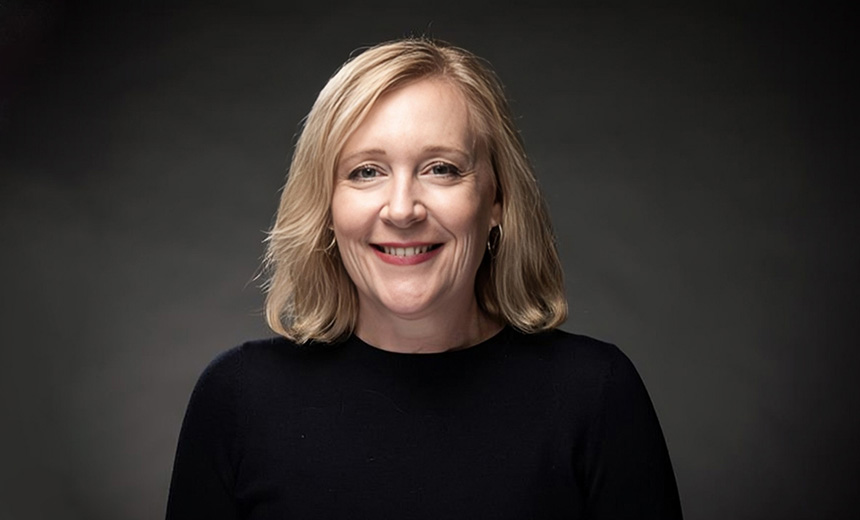
This year’s finalists are also presenting leading-edge technology, with a major focus on artificial intelligence and agentic AI, said Cecilia Marinier, vice president of innovation and scholars at RSAC.
“It’s always been an important part of the industry, but now it is a keystone,” Marinier said. “It’s the leading contest in the industry, and it really helps set the stage for people to find out where innovation is going.”
This year, every contestant is integrating AI into their product. “All of the companies have AI in them in some way, whether they’re using it for increasing productivity, or they’re using it to protect against AI in the future,” Marinier said.
The RSAC innovation ecosystem has expanded across the Early Stage Expo, Launchpad contest and the Investors and Entrepreneurs track. All innovation programming will take place in Moscone South, where founders, venture capitalists and security executives can connect, she said.
In this video interview with Information Security Media Group, Marinier discussed:
- Key focus areas for Innovation Sandbox finalists;
- Plans for the Early Stage Expo, which features 78 cybersecurity startups;
- How the Launchpad contest and Investors and Entrepreneurs track connect founders with investors.
Marinier curates the RSAC Innovation Sandbox Contest and launched RSAC Early Stage Expo, exposing nascent startups to industry decision-makers. Tapping into her global network of venture capitalists, entrepreneurs and accelerators, she designs and moderates the monthly RSAC Innovation Showcase. To attract and support the next generation of cybersecurity warriors, she created the RSAC Security Scholars program and RSAC College Day. Prior to working at RSAC, she spent seven years with Monitor Group, a boutique firm that develops new approaches to the complex problems facing the U.S. government intelligence community. She also served on the Commonwealth Club’s Inforum Board and currently serves on the Schools That Can’s Cyber Brain Trust.