

Artificial Intelligence & Machine Learning
,
Governance & Risk Management
,
Government
CTO Matthew Fraser Says Administrations May Change But AI Program Is Built to Last
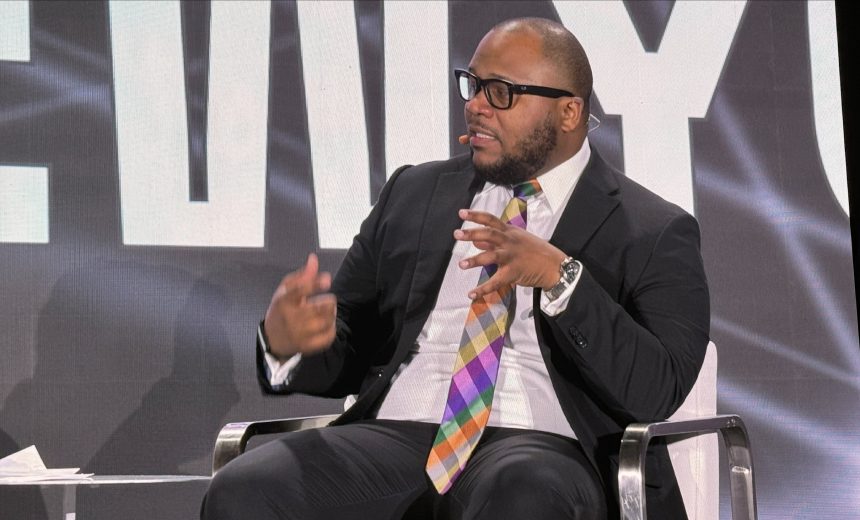
New York City gets a new mayor on Jan. 1, and while no one knows Zohran Mamdani’s plans for using artificial intelligence, the city’s existing AI Action Plan will ensure a strong foundation for continuing innovation, city Chief Technology Officer Matthew Fraser told attendees at The AI Summit in Manhattan on Wednesday.
See Also: AI vs. AI: Leveling the Defense Playing Field
The city created the AI Action Plan in 2023 with input from industry, government and academia that can serve as a blueprint for navigating changes in leadership and the regulatory environment, while building sustainable action plans and guiding technology investments, he said.
“We have done a lot of foundational work to make sure that no matter what comes, we will be ready,” Fraser said. That includes making sure that data is protected and compliant and institutionalizing safeguards so that the city doesn’t “think too far outside of the box,” while still staying open to innovation and finding ways to use AI for the public good.
In many ways, the city’s large technology footprint and services are more closely aligned with a federal agency than most other U.S. cities. So, the city is committed to investing in AI technology and innovation.
For example, the city is using AI tools across its public safety, infrastructure and health departments, and one of greatest benefits comes from AI-based pattern recognition. The city’s police department is using AI to recognize crime patterns to help decide where to place officers and disrupt illegal activity.
Fraser said it’s important to find a balance between regulation and innovation. Putting too much regulation in place can hinder that public service mission and create blind spots, he said.
Cybersecurity is benefiting the most from AI technology, Fraser said. Every week, the city detects more than 100 billion cybersecurity threats, and it would be impossible for a team of defenders to manage the workload. AI-based threat detection is helping the city distill billions of threats into about 50 that humans need to evaluate.
The city’s first major foray into extending generative AI tools to the public met with a rocky start in 2024 after the launch of the MyCity Chatbot. The chatbot, which is still running as a “Beta” version “that may occasionally provide incomplete or inaccurate responses,” made headlines when it erroneously advised users that employers could take a cut of their workers’ tips or fire staff members who complain about sexual harassment.
Another program under New York City Mayor Eric Adams in 2023 used AI tools to make robocalls in foreign languages that appeared to have been recorded by Adams. Privacy advocates labeled the AI robocalls as “deeply Orwellian.”
When it comes to mitigating public distrust in AI, Fraser says he partners with the city’s chief privacy officer and chief information security officer to communicate with the public in town halls and ensure robust information privacy policies. Both organizations operate independently and are focused on ensuring data is used properly and protected.
“And we’re very transparent about sharing now ahead of time if something’s changing, so that we can get public feedback,” he said.
Fraser advised technology and business leaders at the summit to avoid worrying about possibilities and focus on what they can actually control, and to build networks of experts. The city has brought together business leaders, academics and experts in the AI space so that when the captain of the ship changes, the city’s robust network of advisors holds steady and remains focused and available to contribute.
“Then you have a very good sounding board to help you figure out when you want to do something,” Fraser said.