

Application Security
,
Next-Generation Technologies & Secure Development
New CEO Jesper Zerlang Plans Global Growth, US Push and Vertical Expansion
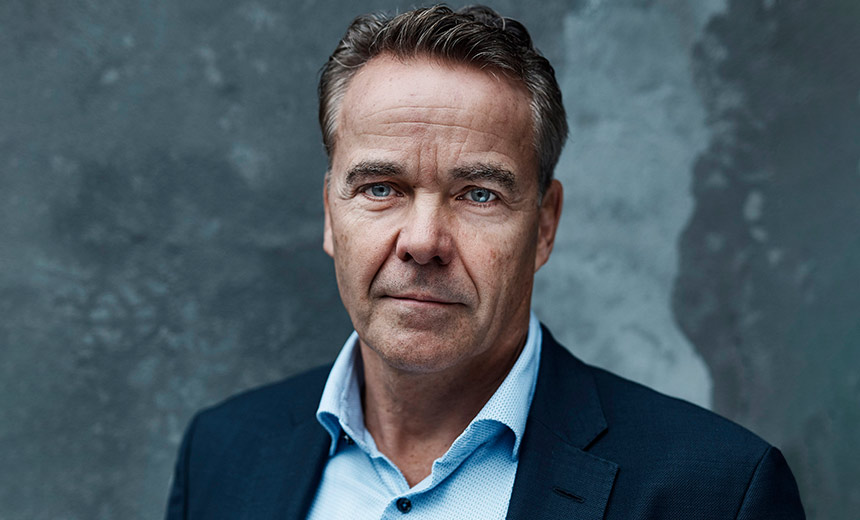
SecurityBridge tapped the longtime CEO of Logpoint to be its next chief executive and tasked him with scaling the SAP security provider’s business globally.
See Also: Application Security Posture Management: The Next Evolution of AppSec
The Ingolstadt, Germany-based vendor wants new CEO Jasper Zerlang to help the company expand globally, especially in the U.S. where cybersecurity maturity is higher but SecurityBridge’s brand is less known. Zerlang replaces co-founder Christoph Nagy, who served as SecurityBridge’s CEO since January 2012 and will remain involved with the company as a board member.
“Now, it’s all about going from this entrepreneurial spirit to a more global growth scenario over the next four years, and it was a good time for the two founders to take a step back and focus on what they’re really good at, product evangelism and being out there and really evangelizing on the whole SAP security, application security topic,” Zerlang told Information Security Media Group.
Zerlang first became involved with SecurityBridge in March 2024 as a senior board advisor, and then became chairman of the board in January 2025. He spend more than 14 years as CEO of Copenhagen, Denmark-based security operations vendor Logpoint, exiting in February 2024 roughly a year after Swedish sustainable growth fund Summa Equity purchased a majority stake in Logpoint (see: Summa Equity Buys Majority Stake in Logpoint to Bolster M&A).
During Zerlang’s tenure as CEO of Logpoint, he had explored acquiring SecurityBridge and, through that process, developed a close relationship with its co-founders. Zerlang brings operational maturity, having scaled companies from small startups to mid-size enterprises, and he intends to apply that experience in helping SecurityBridge grow rapidly while maturing its internal processes to handle enterprise demands.
“I come in with my broad background of growing a company from 10 people to 300 in the course of six or seven years,” Zerlang said. “And my experience of growing a business, taking care of the growing pains and learning from that made it a good fit.”
Where SecurityBridge Expects Geographic, Vertical Growth
While many cybersecurity vendors try to protect SAP systems by exporting logs into external SIEM tools such as Splunk or QRadar, Zerlang said this approach is inefficient, costly and lacks real-time SAP-native intelligence. SecurityBridge instead embeds itself entirely within the SAP stack, allowing it to perform security analytics from inside the SAP environment with a very high level of insight and actionability.
“Other cybersecurity solutions that are trying to protect SAP environments, you have to export logs and SAP data to a Splunk, to a QRadar, to other platforms, and then you do your analytics there, which is super expensive, very heavy in volume and not very intelligent,” he said. “SecurityBridge, on the other hand, is doing all the analytics within the SAP stack and then exporting threat events vulnerabilities.”
While SecurityBridge is already strong in Europe, Zerlang sees the U.S. as a major growth opportunity since it’s more mature when it comes to integrating security into executive-level discussions. To address low brand awareness in the U.S., Zerlang said the company is investing in building out sales, marketing and support teams across key U.S. regions.
“Right now, it’s all about building a solid sales, marketing and support structure in in the U.S.,” Zerlang said. “And I did that at Logpoint as well, so I know what it takes and how we’re going to do it.”
SecurityBridge narrowed its vertical focus to manufacturing, critical infrastructure and pharmaceuticals since they’re heavily reliant on SAP systems and face high regulatory and operational pressures. Conversely, Zerlang said finance, insurance and government are not priority sectors at this stage since they have long procurement cycles, high compliance barriers and complex geopolitical implications.
“You have pharma, critical infrastructure and manufacturing as our top three verticals,” Zerlang said. “Government would be probably restricted to partners. Finance and insurance is also something that’s not in our sweet spot, and probably not where we want to focus first and foremost. These are also areas that are taking quite a long time to make decisions.”