

Government
,
Industry Specific
Former NSC Cyber Adviser Renominated to Lead CISA Amid Ongoing Senate Gridlock
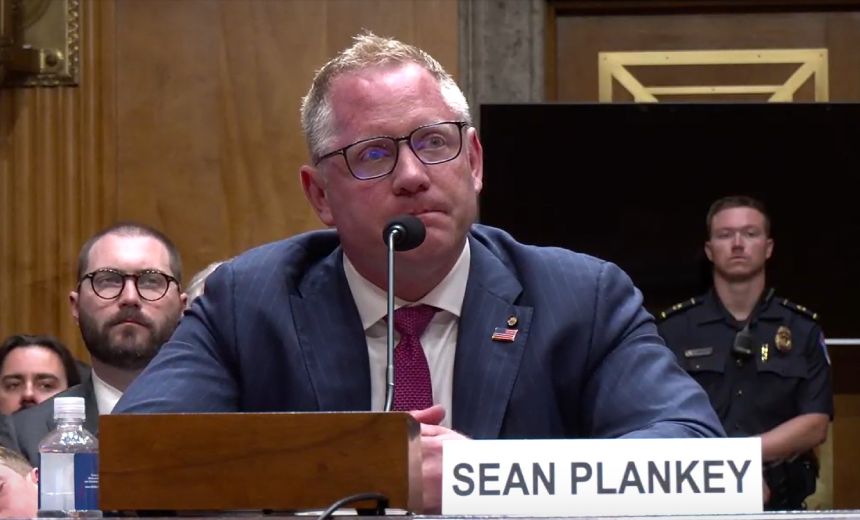
U.S. President Donald Trump renominated Sean Plankey to lead the Cybersecurity and Infrastructure Security Agency, reviving a stalled candidacy that left the nation’s cyber defense agency without a Senate-confirmed leader for a year.
See Also: New Trend in Federal Cybersecurity: Streamlining Efficiency with a Holistic IT Approach eBook
The nomination will face many of the same obstacles that stopped the Senate from taking up the nomination in 2025.
The White House said Tuesday that Plankey, a cybersecurity veteran and former National Security Council cyber policy director, was among a slate of nominations submitted to the Senate for confirmation. CISA has operated without a permanent director since Trump took office, a leadership void that coincided with workforce drawdowns, mission uncertainty and growing concerns about the agency’s ability to counter evolving threats (see: No Vote, No Leader: CISA Faces 2026 Without a Director).
Industry leaders and cybersecurity officials celebrated when Trump first tapped Plankey in March 2025 to head CISA, a component of the Department of Homeland Security. Many praised his government and private sector cybersecurity experience, including previous roles at the Department of Energy, Cyber Command and the White House. But Plankey’s nomination floundered in the Senate (see: Trump’s Pick to Lead CISA is Stuck in Confirmation Limbo).
Sen. Ron Wyden, D-Ore., has thrown up a procedural hold against the nomination in a bid to pressure CISA into releasing a long-withheld 2022 report examining telecommunications vulnerabilities linked to the Salt Typhoon hacking campaign. The senator has accused the agency of a “multi-year cover up” of what he described as negligent cybersecurity practices by telecommunications providers and CISA’s failure to adequately confront Chinese hacking threats targeting the sector.
Wyden’s office said Thursday the senator will continue to block Plankey’s nomination until CISA releases the report. The Oregon Democrat has argued that the report, authored by independent experts, “contains important factual information that the public has a right to see.” CISA in July said it would release the report, but it is still not public.
The Plankey nomination also faces Republican obstacles. Sen. Thom Tillis, R-N.C., earlier this month said he will block all new Department of Homeland Security nominees until Secretary Kristi Noem schedules an appearance before the Senate Judiciary Committee. He called Noem’s rejection of committee requests to testify “unacceptable.”
“I am putting a hold on anything related to Homeland Security measures until we get an agreement and a scheduled time to come for committee at the least,” he told reporters.
Sen. Rick Scott, R-Fla., also placed a hold last year on the nomination, reportedly as part of a dispute with the Department of Homeland Security over a reduction in Coast Guard cutters built by Florida-based Eastern Shipbuilding Group. Scott’s office did not immediately respond to a request for comment.
A nomination hold can’t stop the entire chamber from approving a presidential nomination, but it does stop the Senate from easily ushering it in by unanimous consent. Without unanimous consent, the Senate must go through a days-long process of voting and debate that takes up precious floor time. Given competing priorities such as a Jan. 30 deadline for approving government spending bills and mounting pressure on healthcare costs, the Senate often puts off nominations it may consider to be low priority.
With reporting by Information Security Media Group’s David Perera in Northern Virginia.