

Agentic AI
,
Artificial Intelligence & Machine Learning
,
Governance & Risk Management
New Plugins Push AI Beyond Coding Deeper Into Enterprise Workflows
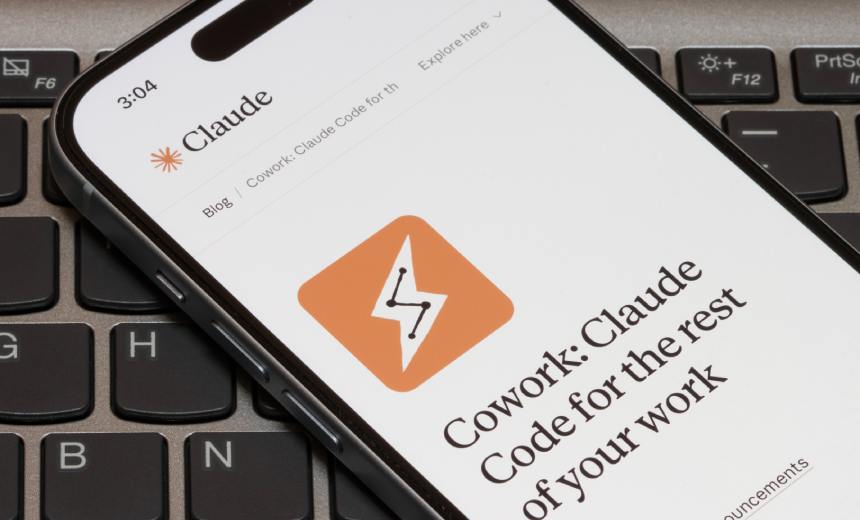
Anthropic’s announcement this week that it has launched more Claude Cowork plugins to tackle enterprise workflows is just the latest advancement in the artificial intelligence company’s rollout of features aimed at upending the way companies do work – much in the same way the company disrupted Wall Street’s outlook on the software market.
See Also: How Unstructured Data Chaos Undermines AI Success
The developments show Anthropic is putting stakes in the ground in a meaningful way for enterprise AI, moving agents beyond software development into marketing, HR, legal, finance and more.
For CIOs, the landscape won’t change overnight, but this trend toward AI workflows changes where in the enterprise AI can create value and who can harness it.
Until now, the most prevalent enterprise AI use case has been in transforming the software development life cycle, boosting productivity in coding, testing support and architecture design. Engineering teams were early adopters, but Claude Cowork’s new capabilities are applying that model to the broader enterprise.
Anthropic is calling the features “plugins,” but they’re not plugins in the traditional software development sense. They’re configurable AI workflow “skills” that interact with users in natural language. They can be configured to allow Claude to analyze spreadsheets, reply to emails, create marketing plans, connect to systems like Salesforce and other multi-step business processes.
Business units can now create their own automation layers, without the help of IT or engineering.
“It’s not just a tool for developers anymore … There’s going to be a lot of use cases that are going to be outside of the software development process,” said Diego Lo Giudice, vice president and principal analyst at Forrester. “I think it’s going to give the opportunity for enterprises to truly change the way everybody works.”
Lo Giudice said the software-as-a-service ecosystem could see significant disruption. Smaller niche players in the SaaS market could find themselves losing ground as customers plug Claude directly into enterprise systems and assemble workflows. Tools for reporting, workflow routing and lower-grade CRM functions could struggle to find a market.
“I don’t think that we see a replacement of the larger Salesforces of the world, and they’re also going down this path,” Lo Giudice said. “But smaller SaaS packages, you probably don’t need them anymore.”
CIOs could start to feel pressure to trim their SaaS stacks, LoGiudice said, and consider where an AI-driven workflow could replace or consolidate software tools.
At the same time, AI coworkers can introduce significant risk, he said, and CIOs need to tread cautiously as they greenlight projects. Unlike traditional software products that may see lengthy windows between updates or patches, AI workflows can be created and modified quickly.
The plugins rely on natural language instructions, agent definitions and tool connectors that can create exposure to prompt injection, malicious workflow logic and unsafe API access. Risks include “tool use abuse on MCP connectors” and malicious instructions embedded in shared repositories, Lo Giudice said.
CIOs should treat internal plugin libraries like production code and establish access controls, vet reusable workflows and define permissions tiers.
“You really have to have a strong governance process,” he said. “The security is in our hands to manage and to govern.”
CIOs should exercise restraint and not make large, long-term AI commitments right now because the technology and market are evolving too quickly, Lo Guidice said. Instead, technology leaders should embrace experimentation and pilot tools such as Claude Cowork on a small scale and be prepared to learn and pivot as needed.
Teams should start with constrained use cases, such as evaluating replacing smaller SaaS tools or applying AI in limited, specific workflows, rather than overhauling core platforms. Security should be a priority from the outset, and enterprises should evaluate the AI roadmaps of their vendors.
Culture will need to adapt as fast as the market.
“This is not the time to make big long-term decisions,” Lo Giudice said. “Making long-term commitments right now would be a mistake.”