

Endpoint Security
,
Government
,
Industry Specific
Agents Couldn’t Group Chat or Text Foreign Counterparts
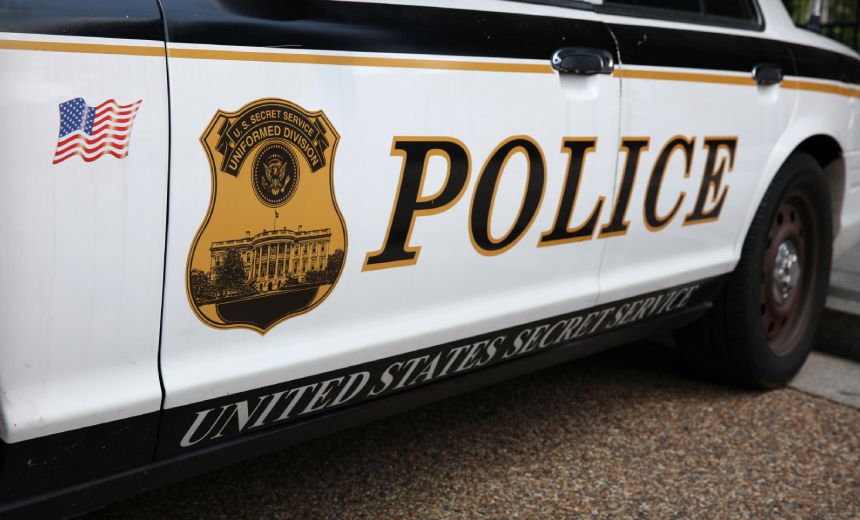
U.S. Secret Service agents abroad jeopardized their protective mission by using personal smartphones on foreign trips, say auditors, who fault the Department of Homeland Security office of the chief information officer.
See Also: OnDemand | Endpoint Security: Defending Today’s Workforce Against Cyber Threats
Government furnished devices, auditors wrote in a Thursday report, didn’t allow agents to do basic tasks such as chat with foreign counterparts on messaging apps such as WhatsApp or use the internet to research the restaurant where a U.S. official was scheduled to eat.
“We found the use of personal devices during foreign assignments had become expected and routine among Secret Service employees,” auditors said.
The audit says problems with government devices affected agent’s ability domestically as well, citing a two year period ending in May 2025 in which the CIO office limited agents’ ability to send group texts or send and receive pictures. One Secret Service agent present at the attempted assassination of then-presidential candidate Donald Trump in July 2024 recounted to auditors that he was unable to immediately forward a picture of the would-be killer due to limitations on the government device.
As a result of those restrictions, agents used personal devices, placing “at risk the Secret Service’s communications, personnel and protectees.”
The personal devices opened up the Secret Service to a host of risks, auditors said. “If a personal device is jailbroken, infected with malicious code, or not up to date on security software, an adversary could intercept device communication,” the report reads. Outdated or vulnerable apps could allow malicious actors to track agents or record communications. Some agents told auditors they resorted to downloading VPNs on their personal devices to minimize risk – but auditors say that by doing so, they have just introduced another layer of risk.
A U.S. senator recently revealed that foreign governments have tracked U.S. military personnel active in operations against Iran through cell phone geolocation data collected by data brokers (see: Breach Roundup: US Troops Tracked With Cell Phone Data).
Security on government devices wasn’t good, either. Not until August 2025 did the office of the CIO start installing mobile threat defense software on government devices. Auditors said the office also did not routinely wipe mobile devices used for foreign travel despite a policy that any government device used abroad be wiped within 24 hours of returning to the United States.
The government’s embrace of TeleMessage, a Signal clone messaging app used to archive communications, also made an apparent but unnamed appearance in the report. Auditors faulted the OCIO for not properly assessing the security of apps before deploying them, citing use of a “third-party messaging solution with automatic message archiving that provided the same capabilities as other well-known commercial messaging apps” that the Secret Service stopped using in May 2025 – around the time that a hacker’s penetration of the TeleMessage backend panel became public knowledge (see: TeleMessage Goes Dark After Trump Adviser Photo Fallout).
Auditors made five recommendations including improved device management, stronger cybersecurity training for staff, enhancing overseas device security measures, testing mobile apps before full deployment and reinforcing the Service’s ban on personal device use.
The agency agreed to all five recommendations, but some remain open to review and depend on measurable gains from the agency as it eliminates the routine use of personal phones.
With reporting by ISMG’s David Perera in Northern Virginia.