

Government
,
Industry Specific
Sean Plankey Abandons Bid After Yearlong Delay as CISA’s Leadership Vacuum Deepens
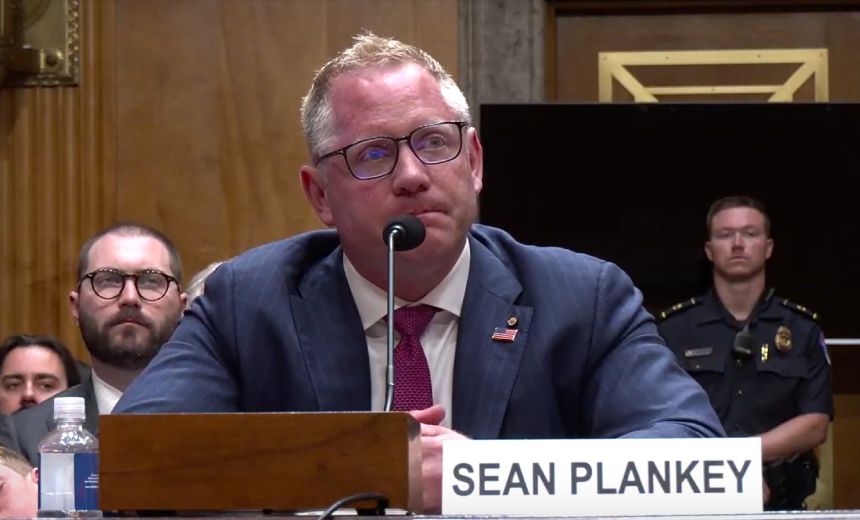
The Trump administration will have to look again to find someone to permanently lead the U.S. Cybersecurity and Infrastructure Security Agency now that nominee Sean Plankey withdrew from consideration after a year of no action taken by the Senate.
See Also: New Trend in Federal Cybersecurity: Streamlining Efficiency with a Holistic IT Approach eBook
The agency has been without a Senate-confirmed leader since Donald Trump entered the Oval Office in January 2025. It’s currently on its third acting director.
Plankey, a former Department of Energy and National Security Council cybersecurity official, wrote in a letter to the White House that it had become clear he would not be confirmed after a 13-month process marked by bipartisan and procedural delays. His nomination was left in limbo despite early committee approval after the process became mired in procedural snags, scheduling confusion and Senate holds over lawmaker demands for the agency to release a 2022 report on U.S. telecom vulnerabilities.
“After thirteen months since my initial nomination, it has become clear the Senate will not confirm me,” Plankey wrote in a letter reported by Politico.
Acting director Nick Andersen continues to lead the agency following a string of leadership changes. Andersen’s predecessor, Madhu Gottumukkala, left the post under a cloud for behavior that included failing a polygraph test and attempting to fire the civil servants who administered it as well as uploading sensitive contracting documents into a public version of ChatGPT.
The collapse of Plankey’s nomination adds to growing concerns of instability at an agency already grappling with workforce losses, budget pressure and a narrowing mission.
Plankey drew support from parts of the cybersecurity community but his nomination became entangled in broader political disputes. Multiple senators placed holds on the nomination, including Sen. Ron Wyden, D-Ore., who demanded the release of a long-withheld report on telecom security weaknesses. Sen. Rick Scott, R-Fla., placed a nomination hold for unrelated Coast Guard contracting issues.
The Senate Homeland Security and Governmental Affairs Committee advanced Plankey’s nomination in mid-2025, but the process never reached a final confirmation vote. Trump re-nominated Plankey at the start of 2026, but the same obstacles persisted.
The leadership gap complicates ongoing debates over the agency’s future, including budget cuts in the White House budget proposal for the next fiscal year that would reduce or eliminate entire divisions from election security to stakeholder engagement (see: Trump’s Budget Proposal Would Slash CISA After Bruising Year).